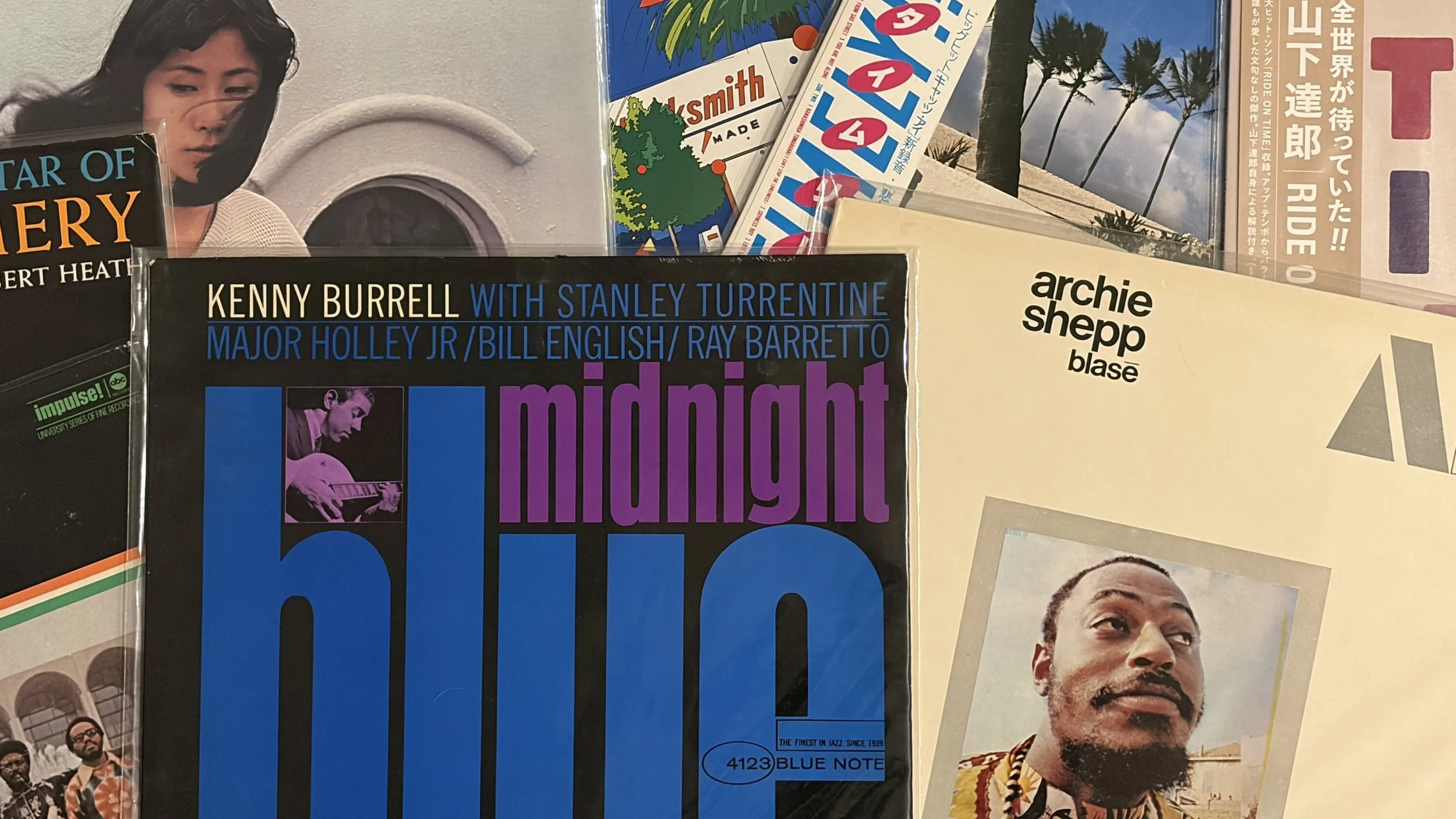
Tatsuro Yamashita and the Blissful Sound of City Pop
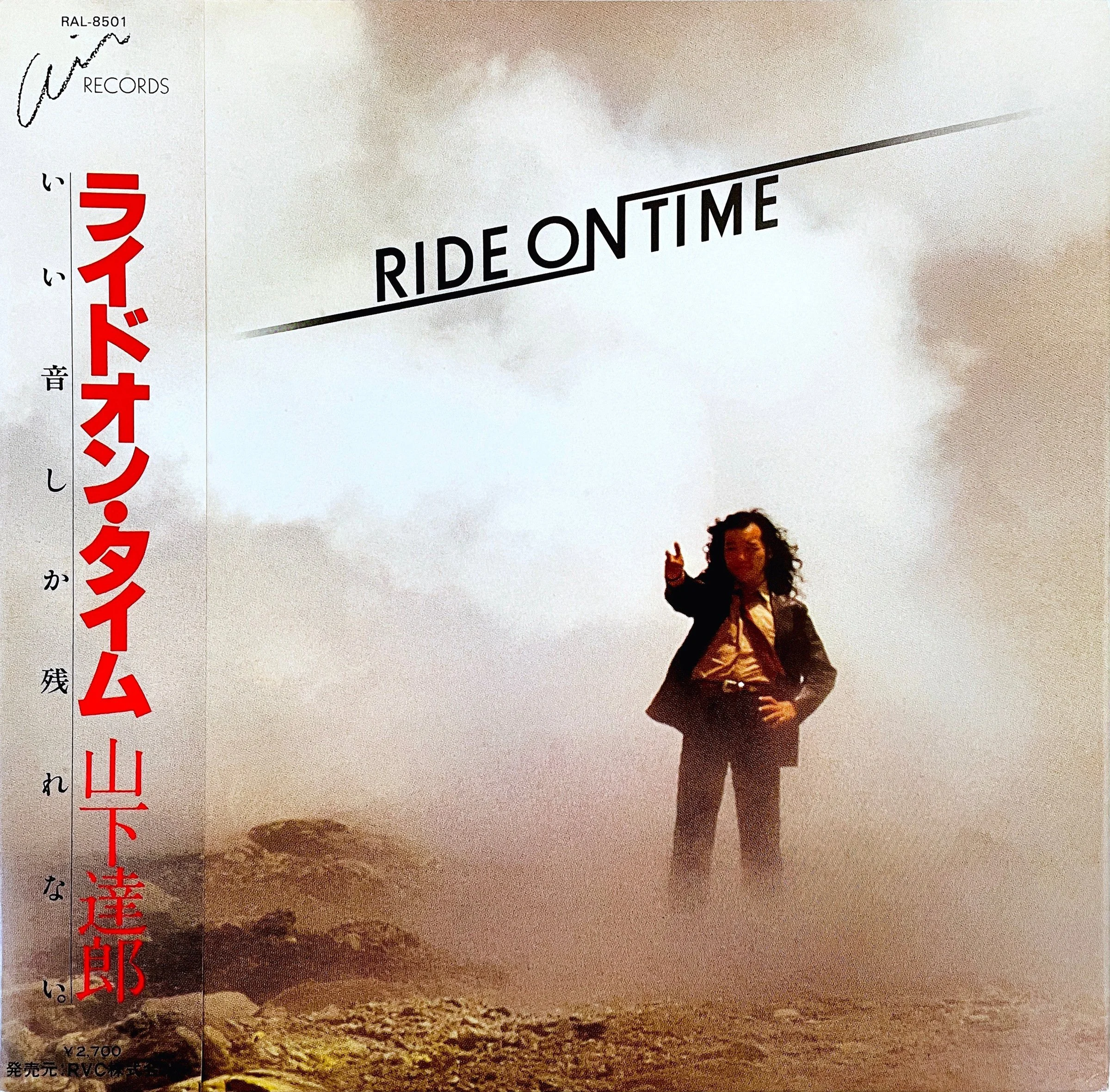
Yes, to those in the know (all of Japan I reckon), proclaiming that I discovered Tatsuro Yamashita in 2026 is a bit silly. In the city pop realm, it’s like a young coworker trying to put you on to Michael Jackson’s Thriller at the office Halloween party. One of the most commercially successful solo recording artist of Japan and dubbed King of City Pop, Yamashita is an obvious starting point for the genre. Yamashita is very anti-streaming and pro physical media, he keeps his music off the internet with strict copyright enforcement so what little does get posted gets taken down. Love that for him but it makes discovery a little tougher, I am here to convince you it’s worth it. [UPDATE: the original video I linked was taken down]
City pop can be a bit of an umbrella term but essentially it is a predominately Japanese genre of pop music that incorporates lush synth funk, disco, and boogie and was most popular from the late 70’s through the 80’s. It is covered in that 80’s sheen; shimmery, glossy, and kitschy. But if you let yourself be happy, it is fun as hell. The album artwork is also such a recognizable style and fits so perfectly. I am far from the expert in this space, but the album that I was really running up this year was Ride On Time.
Ride On Time by Tatsuro Yamashita has one of the strongest A sides of any album I own. It is a one, two, three, four kick to the ass to get up and move your feet. The opener, Someday, starts off with a thick, perky bassline and builds with punchy drums and glittering piano. Yamashita really hits that one “someday!” in a way that makes my ole midwestern heart flutter with joy. It’s “things are gonna be alright :’)’ the song, or sounds like it at least. Daydream turns up the funk and Yamashita’s falsetto provides a nice cool breeze to push the cloud 9 you’re on across the sky. The horns are a great tonal addition, serving the song wonderfully. This writeup is insufferable so far and we’re only 2 songs in baby. Over-the-top music begets over-the-top descriptions. After Daydream fades out, Silent Screamer bursts in the door with a (don’t say it) screaming (!) guitar solo. Hell yeah. The warm distorted guitar tone reminds me of something from Isley Brothers psychedelic soul era. The title track feels like a culmination of the elements that make the 3 preceding songs great. The soaring hooks, the buttery vocals, the tasteful cathartic swells, Ride On Time packs it all in. Side B slows things down in general, and serves as a nighttime counterpart to sunshine of Side A. The Door Into Summer starts it off with a mid tempo, squelchy bassline and infectious “rikkī tikkī tabī” refrain. The horns return and its a great chill out period after the high of the title track. My Sugar Babe and Rainy Day follow as a pair of jazzy downtempo ballads. While not as immediate as the catchier parts of this album, they are perfectly charming. Rainy Day is my preference of the two. Clouds is the last proper song, a classy mid tempo bop with a funky, yet reserved bassline holding it together. The proto-sophisti-pop vibe from the horns is pure bliss. Ride On Time is a great album and a staple in the genre, well worth downloading the files or picking up the CD for your car.
Further Listening:
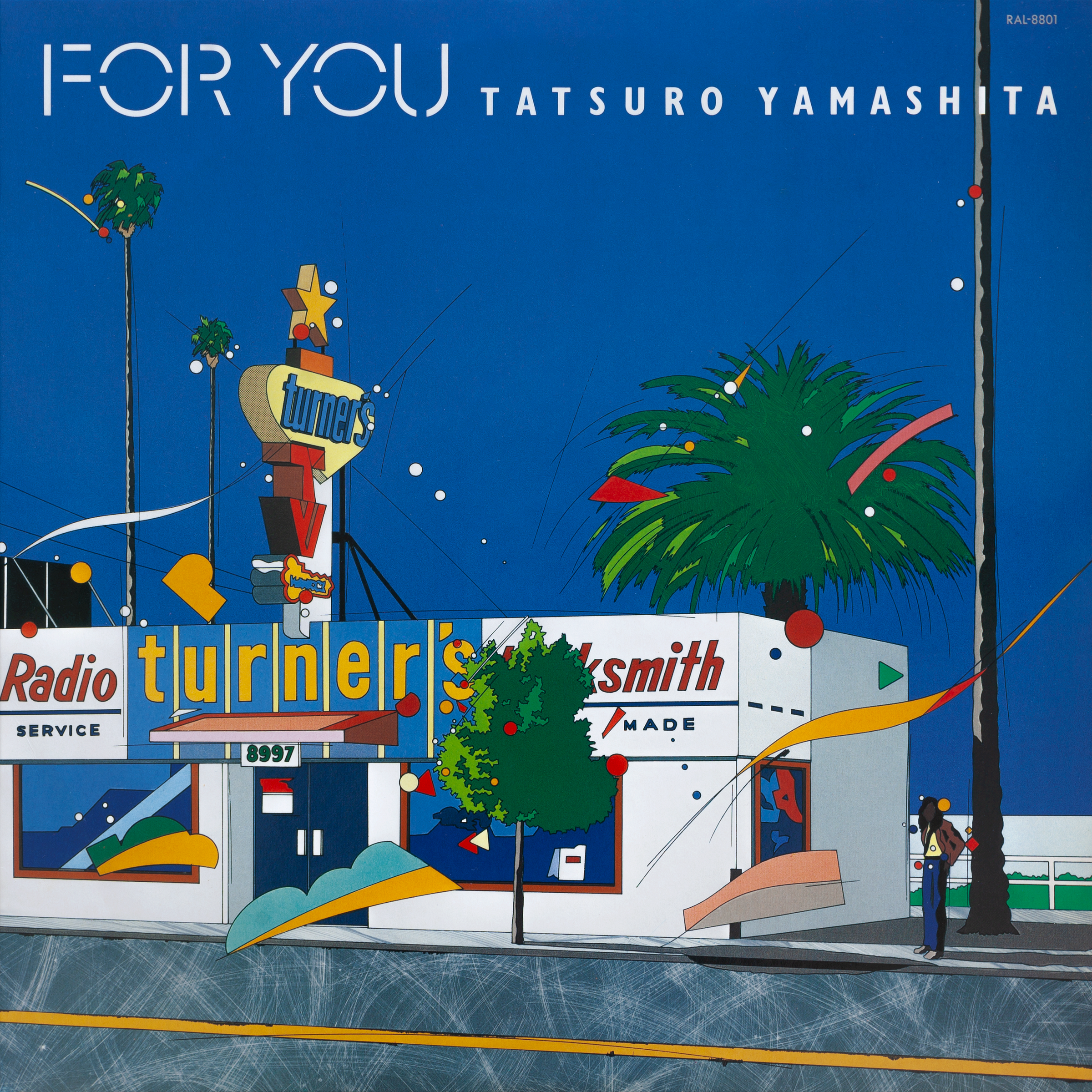
Tatsuro Yamashita - For You (1982)
Another selection from Tatsuro Yamashita’s prolific discography
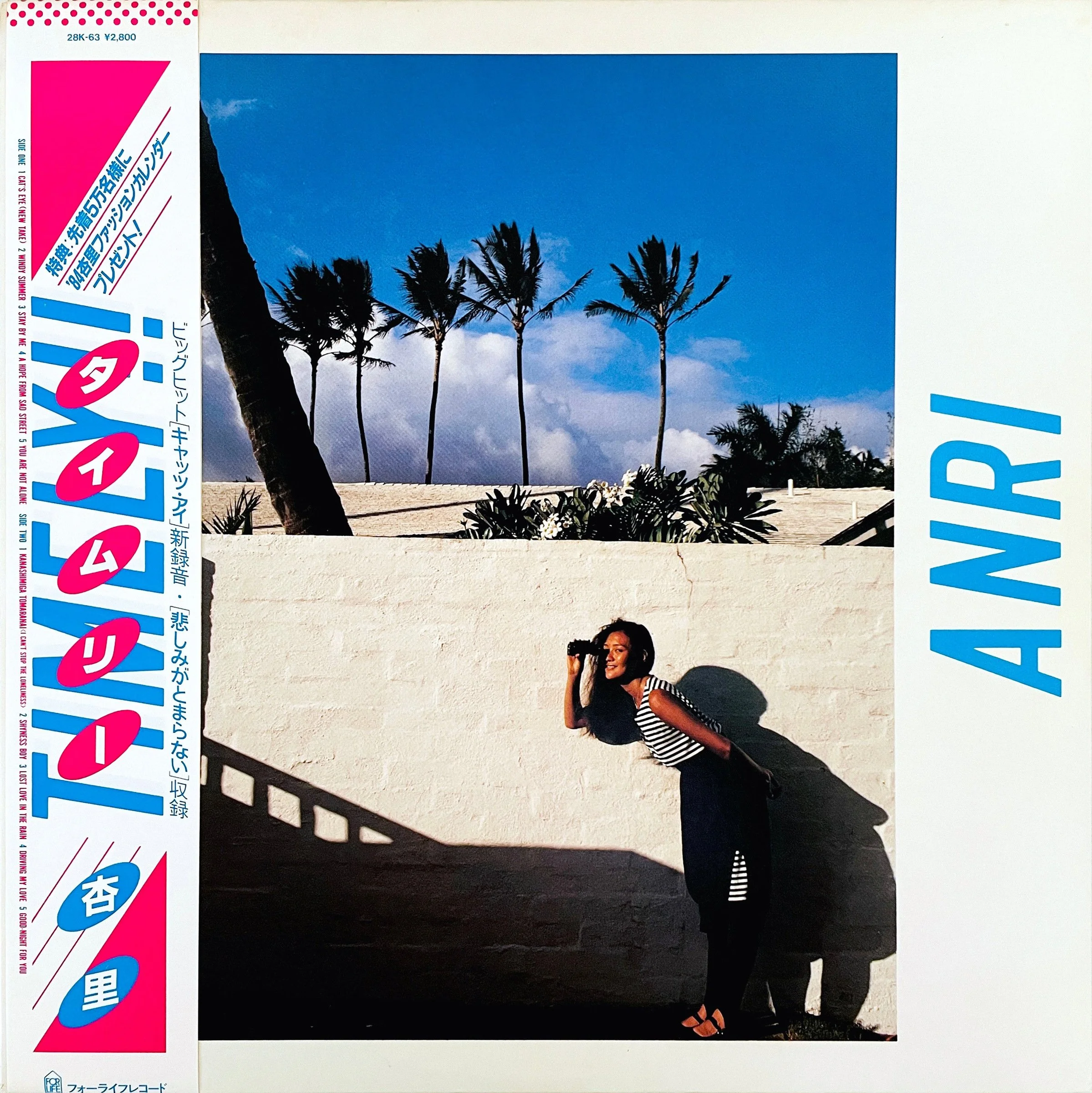
Anri - Timely!! (1983)
A funk forward city pop classic drenched in sunshine
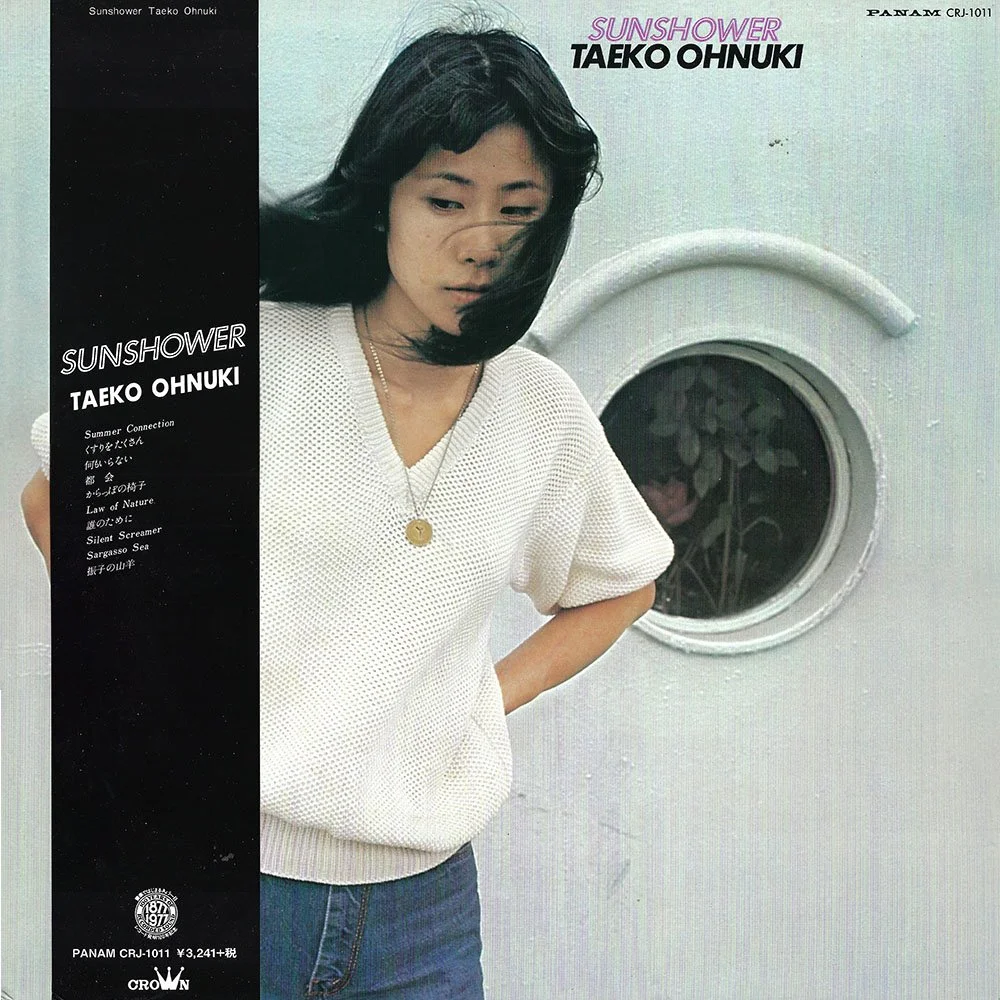
Taeko Ohnuki - Sunshower (
1977)
An early, more mellow approach to the genre
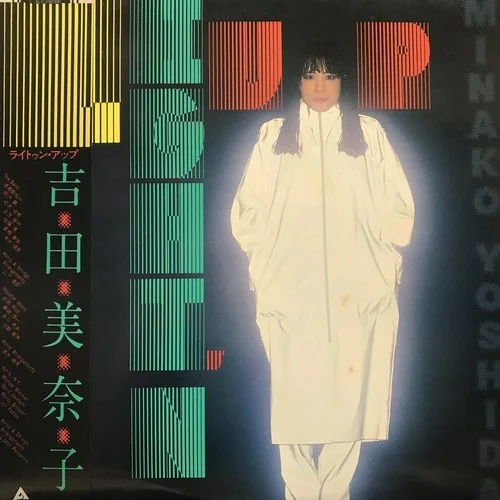
Minako Yoshida - Light’n Up (1982)
The owner of a DC area record store that specializes in city pop told me this was his favorite city pop album

Two Sides of Blues Forward Jazz
The origins of jazz are inextricably linked to blues music, but the way the genres blossomed (or stagnated) lead them to be completely separate entities. Iterations on blues music delved into different tonal territories via advancements in electric instruments and mixed in genres such as rock and soul. However, the general structure and harmony hasn’t shifted much. On the other hand, jazz would develop though the years to be one of the most experimented on forms of musical expression. New structures were built up and torn down, new musical ideas were expanded upon and then tossed in the trash for amorphous bursts of free jazz passion. There is an endless amount of different jazz flavors, which is why it is the genre that keeps on giving even if you have been listening for a long time. I want to highlight two jazz albums I was hooked on this year that have a connecting thread of prominent blues influence. These are my thoughts on Midnight Blue (1963) and Blasé (1969).
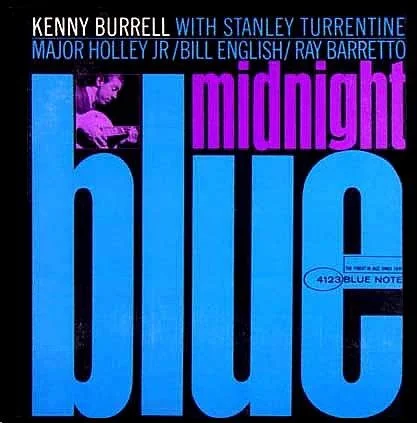
Kenny Burrell - Midnight Blue (1963)
From the iconic jazz label Blue Note, Midnight Blue by guitarist Kenny Burrell is an undeniably bluesy hard bop record. Burrell is joined by Stanley Turrentine on tenor sax, Major Holley Jr. on bass, Bill English on drums, and Ray Barretto providing a nice Latin flare on conga. Kenny Burrell’s guitar playing, both phrasing and warm electric tone, sets the bluesy feeling. His style has much more blues influence than others in this space, like Wes Montgomery or Grant Green, and that allows Midnight Blue to be a great entry point into jazz music for those already attuned to guitar music.
Highlights from this record include the opener Chitlins Con Carne and the title track Midnight Blue. Burrell’s melodic playing combines perfectly with foot tapping grooves and playful conga. The soloing is reserved but technical enough to be interesting and these two songs capture the essence of what is great about the record. My favorite track however is the stripped back, solo guitar musing Soul Lament. There is something very modern feeling about the bone chilling, nocturnal vibe of this song. The guitar tone is so juicy. If you’re trying to get into jazz, give Midnight Blue a shot.
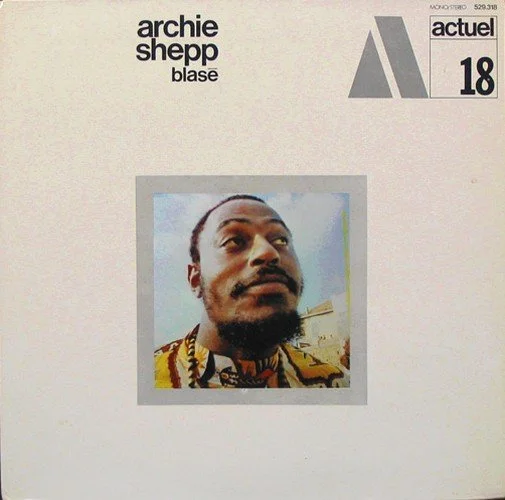
Archie Shepp - Blasé (1969)
In contrast to the slick bluesy hard bop on Midnight Blue, Blasé is a more haunting experience. The atypical harmony and anti commercial approach land this record more in the challenging avant-garde side of jazz. Here you have bandleader Archie Shepp on frenetic, wailing tenor saxophone accompanied by Jeanne Lee’s defiant, moody vocals. This record also features harmonica on the first two tracks, which helps give the overall tone that blues drawl.
The A side of this record is the star of the show here with one of the most unique atmospheres I’ve heard in jazz. My Angel struts along with a rhythmic deluge of harmonica, bass, drums, and piano. Shepp rips gutteral sax lines in between Lee’s scatterbrained vocals about her sweet angel running off with her money. Next, things slow down and heat up on the title track. The piano and bassline are dark and brooding. The space left in this arrangement feels like refuge until Shepp and Lee remind you what kind of spiritual catharsis you signed up for. Blasé oozes with attitude.
Side B runs the gambit on all the other ingredients you could want in a spiritual jazz record. There Is A Balm In Gilead is a gorgeously performed hymn. Favors takes a bow to the upright bass, Shepp tones down the atonal sax screams, and Lee delivers on vulnerable vocals perfect for the moment. This feels like a trick given what precedes it, but it really is a light in a dark tunnel. Next is a take on Duke Ellington’s Sophisticated Lady, which sees the Dave Burrell come out firing with a free jazz piano eruption before flipping to relaxing jazz piano with ease. The percussion heavy Touareg ends the record with the relentless free jazz cacophony you’d expect from the Actuel series. If you’re looking to dig into jazz with sharp edges, check this out.
Further Listening:
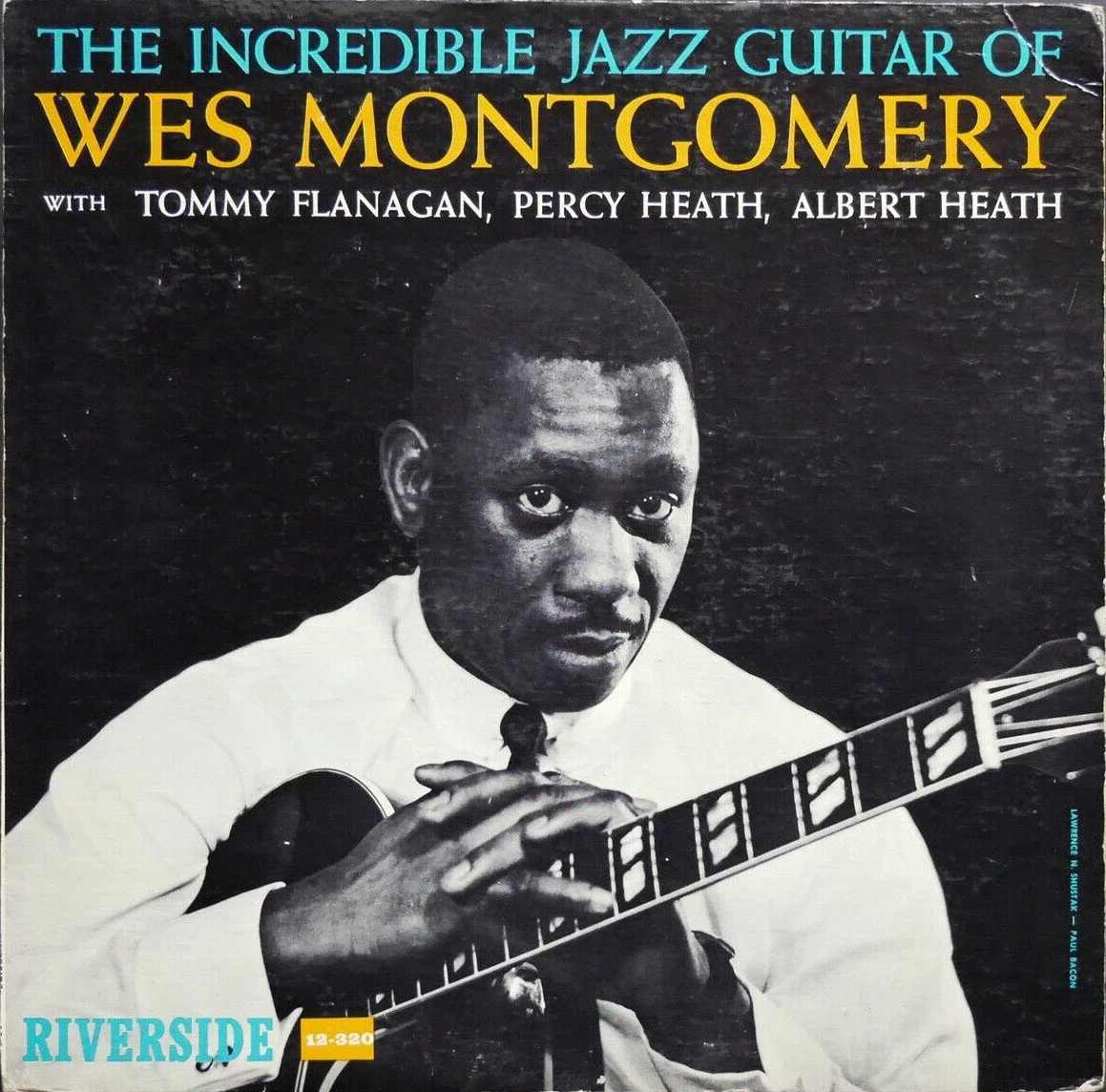
Wes Montgomery - The Incredible Jazz Guitar of Wes Montgomery (1960)
If you want jazzier guitar led hard bop
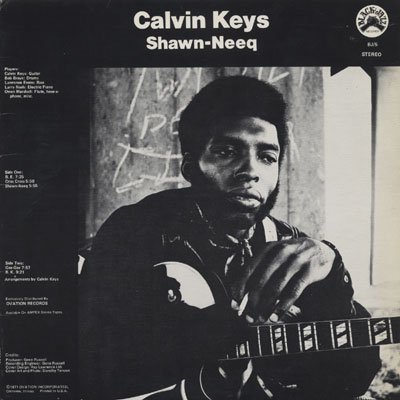
Calvin Keys - Shawn-neeq (1971)
If you want smoother funk and soul influenced jazz guitar
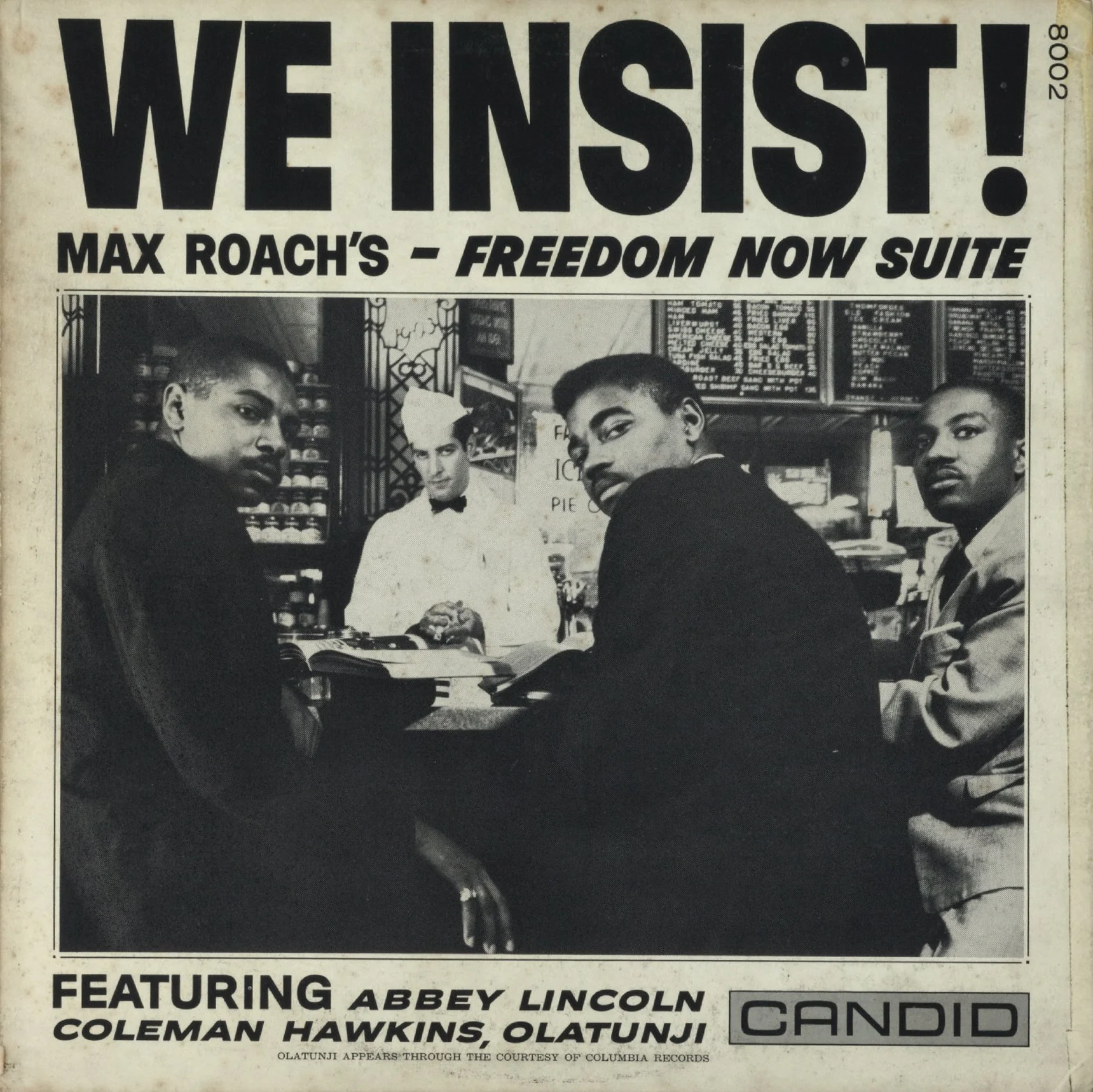
Max Roach - We Insist! Max Roach's Freedom Now Suite (1960)
If you want more avant-garde jazz with powerful female vocals
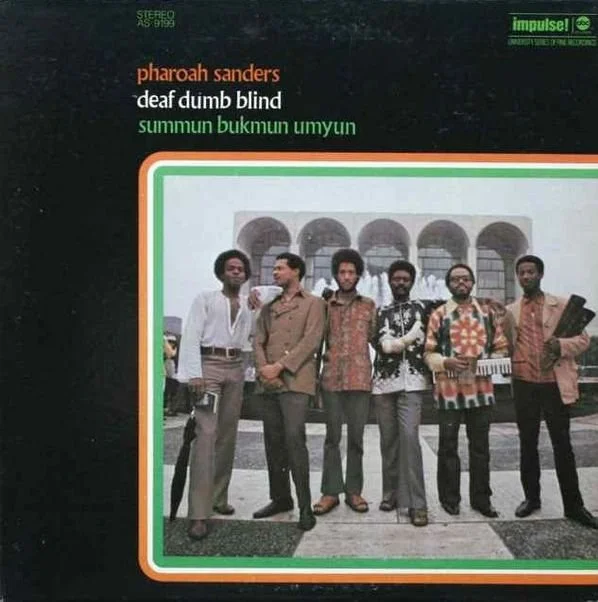
Pharoah Sanders - Deaf Dumb Blind (Summun bukmun umyun) (1970)
If you want spiritual avant-garde sax blowers without the vocals (also my favorite jazz album)
Thanks for reading, cheers and happy listening!